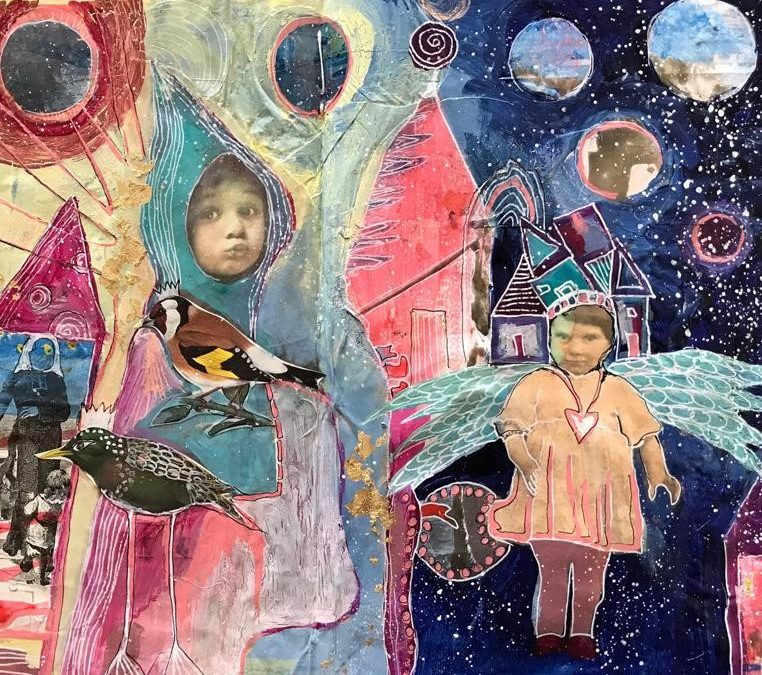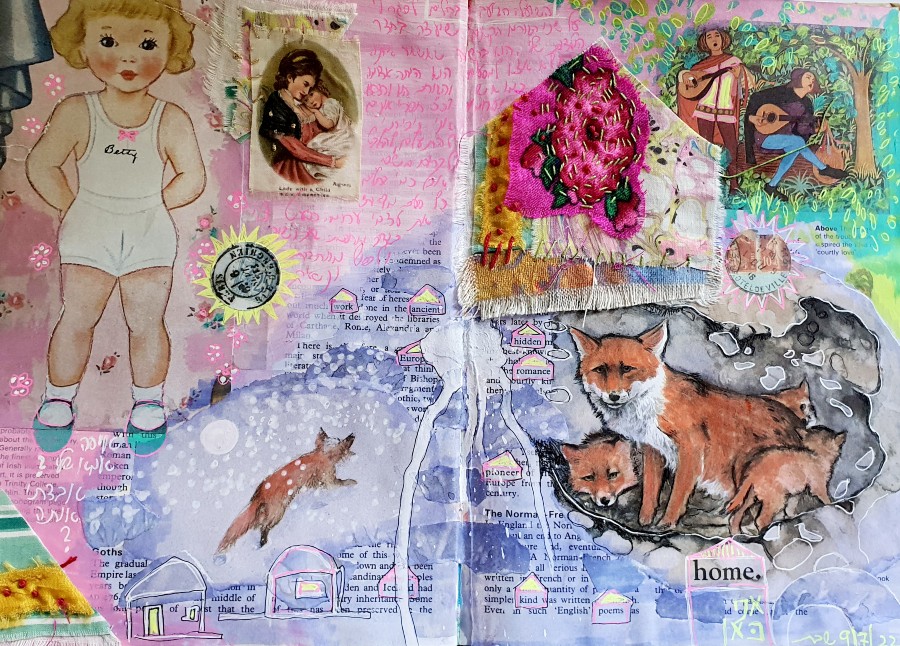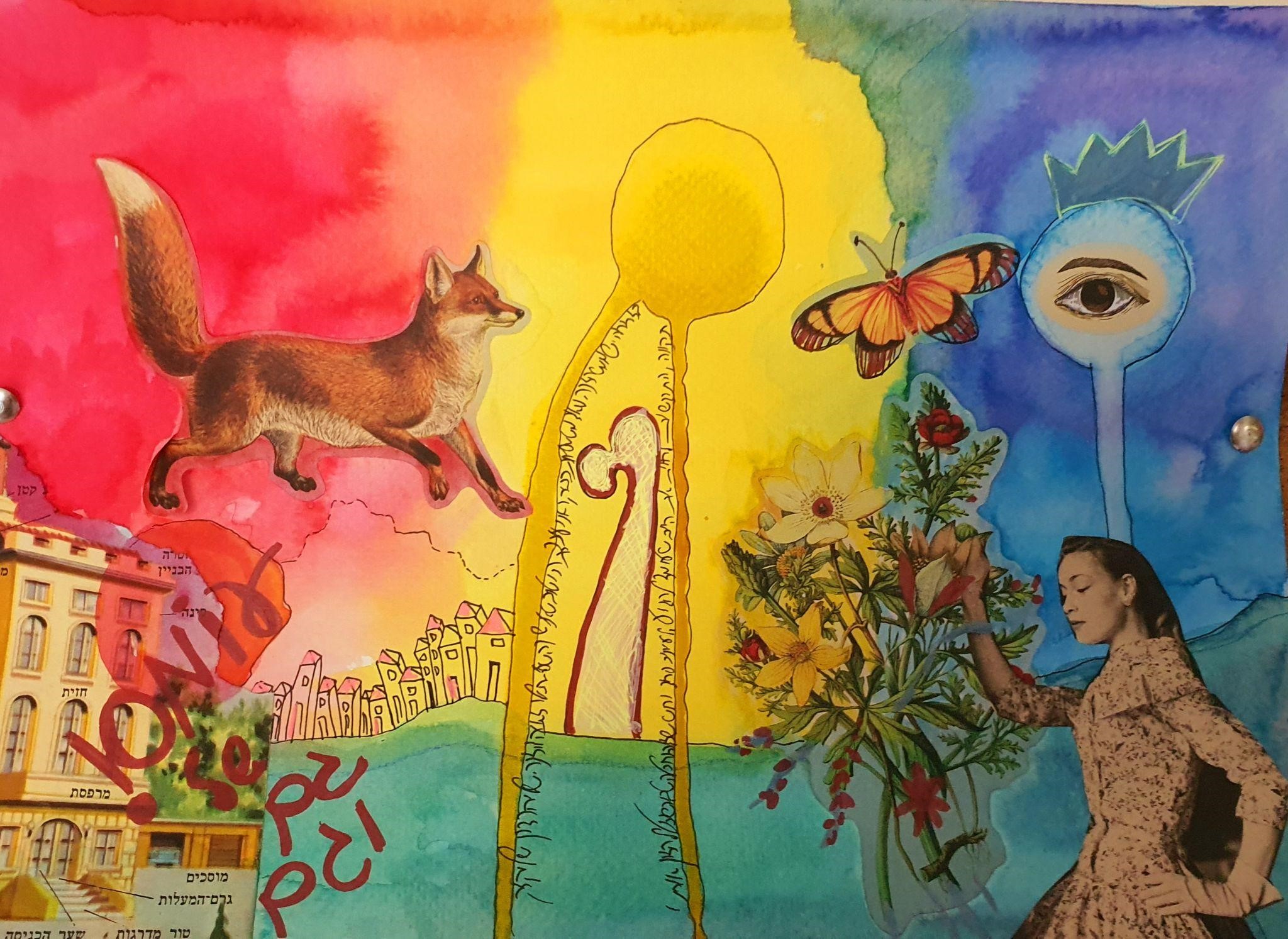
Activating our dreaming child with the seven elements
An easy art practice that can change your life
“I’m not good enough”
“I could never do it, it’s too hard for me”
“I’m just not creative enough!”
These are sentences that we all say to ourselves on a daily basis.
But guess what…these sentences are not real! these are just rooted thoughts that your inner critic sends you as a regular routine.
We all heard that in order to change our life,we need to get rid of destructive beliefs that we have about ourselves.
we have to go through a painful process of dealing with our inner critic and letting go of these negative feelings.
But what if I told you there is a sweeter, joyful way to feel better, to be more secure, productive, and happier in our daily life?
I went through years of therapy, soul searching, and blaming my parents until I realized that I could activate positive inner parts that I never knew existed within me.
Jung talked about the archetypes as existing in the collective subconscious. Jung also said that each of us has the potential to know all the archetypes that exist in this realm.
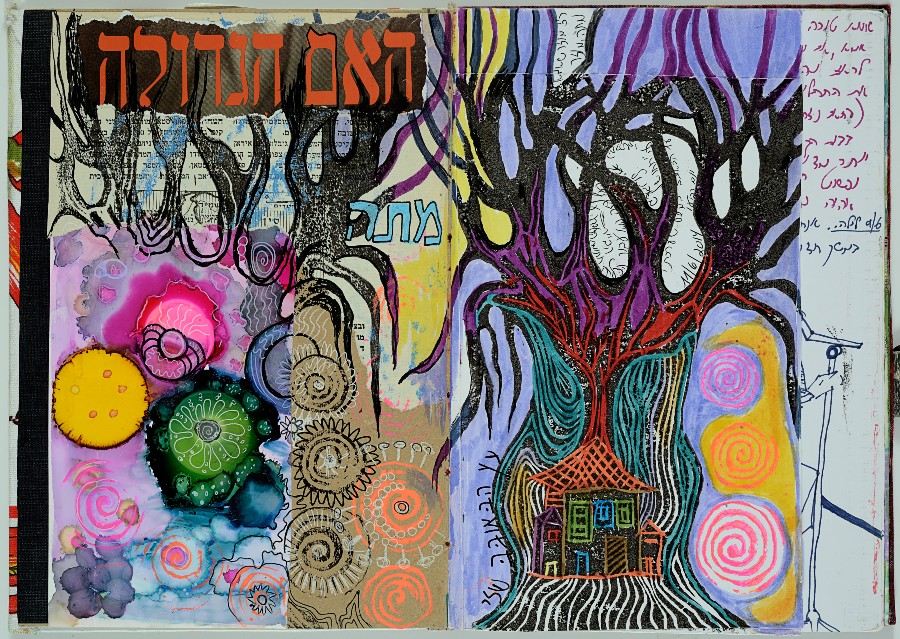
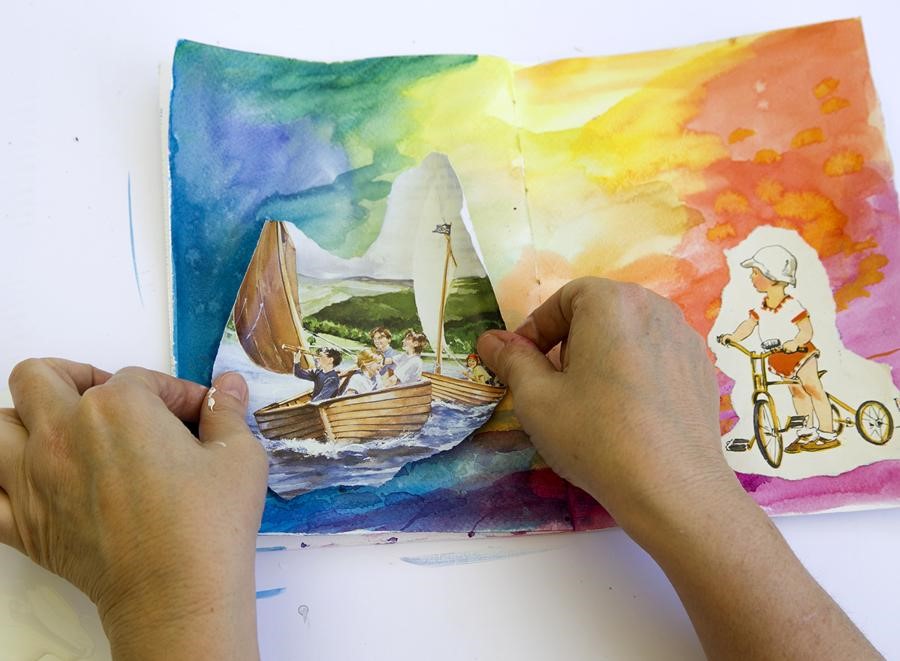
When I developed the SoulPages method, I discovered a very important archetype inside me that was dormant – The dreaming child.
I learned how to activate it and it started to thrive and changed my life.