
Color Archetypes: Working With Archetypes and Color in Your Visual Journal
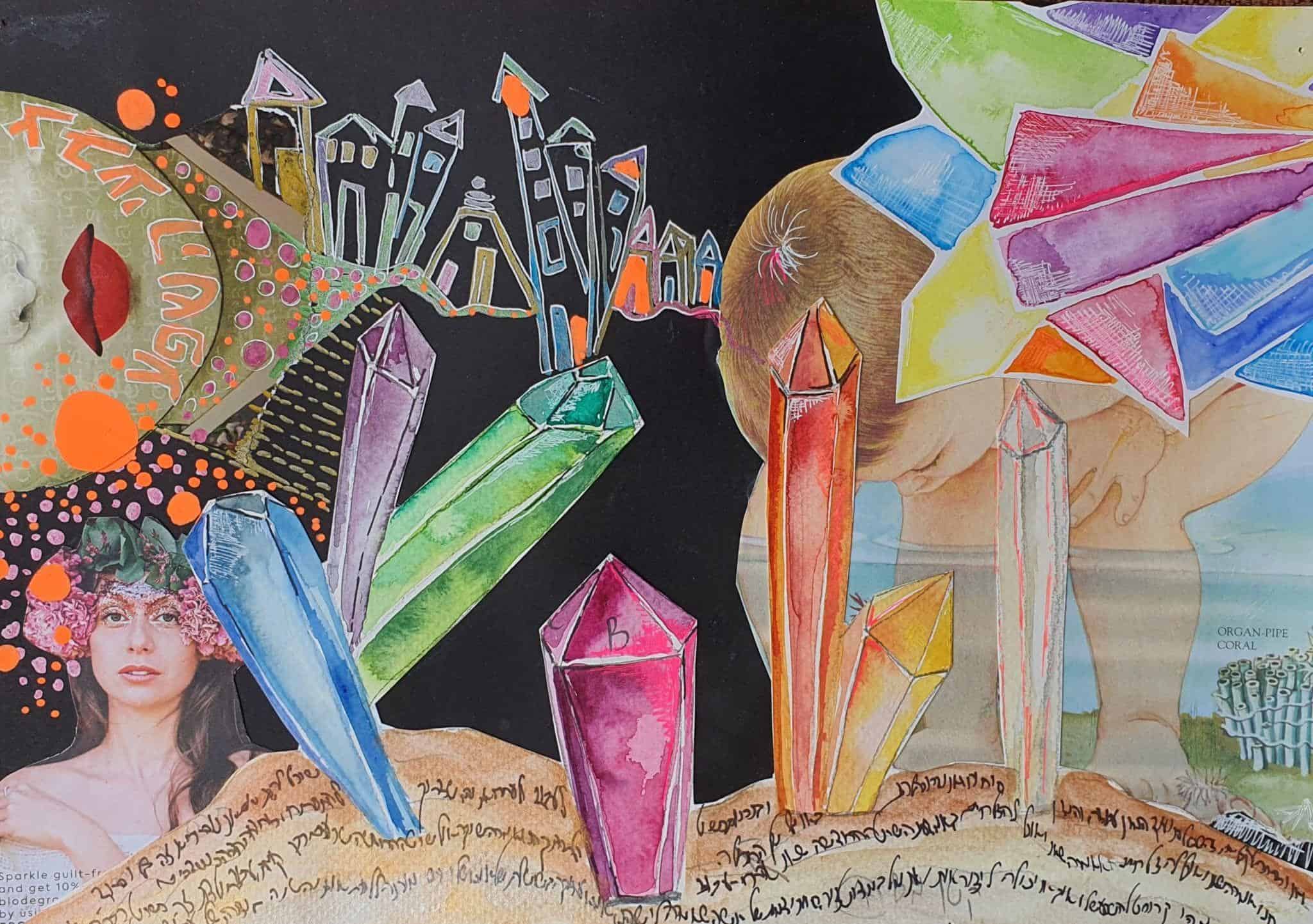
Archetypes are universal patterns, such as the good mother, the wise old man and the guide, and Jung placed them in the collective unconscious. Each of us meets them in a personal form. Color Archetypes, my method within SoulPages, is built on that meeting: in your visual journal, you reach the archetypes through color and through the three energies you were born with.
I am Rakefet Hadar, an art therapist, an author, and the founder of the school that trains SoulPages facilitators to guide creative work in a visual journal. I began my own visual journal in 2014, the year my mother was dying of cancer. Years later I went back through the hundreds of pages I had made, and I found something I did not expect. I had glued in the images, but what connected them was color. Color was the strongest element in my pages, the one that let me change something inside. The method grew out of that discovery, and out of three questions I have been asking for as long as I can remember: Who am I? What is my purpose? What makes me happy?
What is Color Archetypes?
Color Archetypes is a spiritual and artistic method for visual journaling. It grew out of the SoulPages method, and it uses color and archetypes to help you recognize the three energies you were born with: core energy, connection energy and spiritual energy. It draws on Jungian psychology and on shamanism, and it is the subject of my book Color Archetypes: Healing Processes in the Visual Journal (2023).
When you get to know your three energies through color and images on the page, you understand yourself better, and you can begin to shift what feels stuck.
What are the three energies?
- Core energy: who am I? The seed of who you are, and the energy closest to your essence. It is how you know yourself when you are completely alone: your nature, your curiosity, what you truly love.
- Connection energy: what is my purpose? All your connections with other people, from the family you grew up in to your work and your friendships. The question of purpose comes alive when you go out into the world and meet others. This is also where balance is hardest to keep, between what you need and what your relationships ask of you.
- Spiritual energy: what makes me happy? Your connection to nature, to creating, to art and to the spiritual world. This is the energy you recharge from, and tiredness or a quiet discontent is often a sign that it is missing.
Red, yellow and blue, the three primary colors, can make every shade there is. Mix them without any order and you get a muddy brown. Give each one its own place, let them meet at the edges, and you get a rainbow. The energies behave the same way. Most of us grew up with them mixed together, which is why it can be so hard to know what we are feeling, or whether a decision came from us or from the people around us. When we learn to tell them apart, a rainbow starts to form inside.
Why work with color?
Because color is energy you can see. What is hard to put into words, you can paint, sense and change on the page.
Paint has physical qualities, too, and you can feel them. One drop of red or blue is enough to turn yellow into orange or green. Red changes the least when other colors are added to it. It holds on to itself. Blue changes slowly, and it takes a good amount of another color to move it. In the journal these qualities turn into a language, and every woman discovers what they are saying to her.
What did Jung say about color?
Jung saw two layers in color. As TheCollector’s overview of his color symbolism explains, some meanings are shared by all of humanity, rooted in the collective unconscious. Others are personal, picked up along the way, and they differ from one person to the next.
He also worked on paper himself. In his memoir, Memories, Dreams, Reflections, Jung describes a period in 1918 and 1919 when he sketched a small circular drawing in a notebook every morning, a mandala that “seemed to correspond to my inner situation at the time.” A small drawing each morning that mirrors how you feel inside is not far from what we do in a visual journal.
Does every color have a fixed meaning?
Not one that is the same for everyone. Most of what is written about color meaning reads like a dictionary: blue calms, red excites, green balances. Color Archetypes works differently. The book does describe the primary and secondary colors, their archetypes and what each one heals, but what is personal is the arrangement: which primary color sits on your core energy, which on connection and which on spiritual. Each woman arranges her own map according to her inner connection to the primary colors.
The meaning of a color on a page never stands alone, either. It comes from the relationships between the colors, and from the energies they create together.
| A color dictionary | Color Archetypes | |
|---|---|---|
| Where the meaning comes from | A fixed list, the same for everyone | A personal color map you build yourself |
| What you look at | One color at a time | The relationships between colors |
| What you do with it | Read an interpretation | Create in your journal and look at the page |
What does it mean when you keep using the same color in your journal?
It does not mean the same thing for everyone, and nobody can look it up for you. What you can do is look at it closely. A single page shows you a day. A stack of pages shows you a pattern.
- Look in batches. Lay out ten or twenty pages together and find the color that keeps returning. Notice the color that never appears, too.
- Describe before you interpret. Where does the color show up? How much of the page does it take up, what does it touch, and what does it cover?
- Look at its neighbors. Which colors sit next to it, which does it blend with, and which does it stay away from? In Color Archetypes, this is where the meaning lives.
- Read it against your map. If you have made your color map of childhood, ask which energy this color sits on for you, and what that energy might be asking for now.
- Leave the answer open. Name it too quickly and you trade everything the color holds for a label you already had.
I wrote more about looking at finished pages in what to do with a page after you make it.
How do archetypes show up on a journal page?
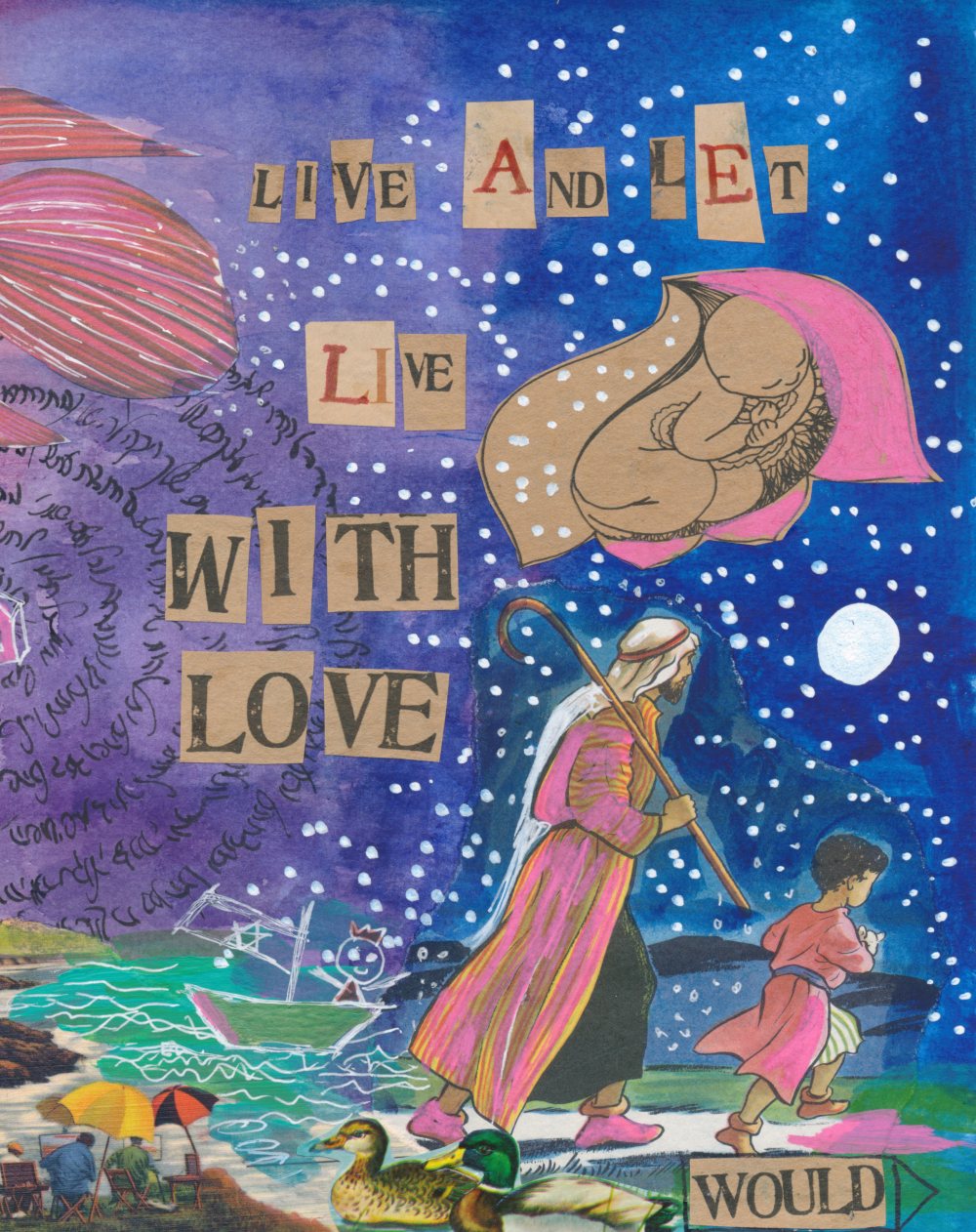
Archetypes belong to all of us, and in each of us they take a personal form, shaped by the home we grew up in, by our culture and by our character. What is new in Color Archetypes is that we reach the archetype through color, and very often it arrives looking like someone we know.
When I did the core energy exercise, my grandfather came back to me. He was a doctor and a musician, he looked after me when I was small, and he returned as the archetype of the Composer. He told me, “You have the ability to compose your life.”
What is the color map of childhood?
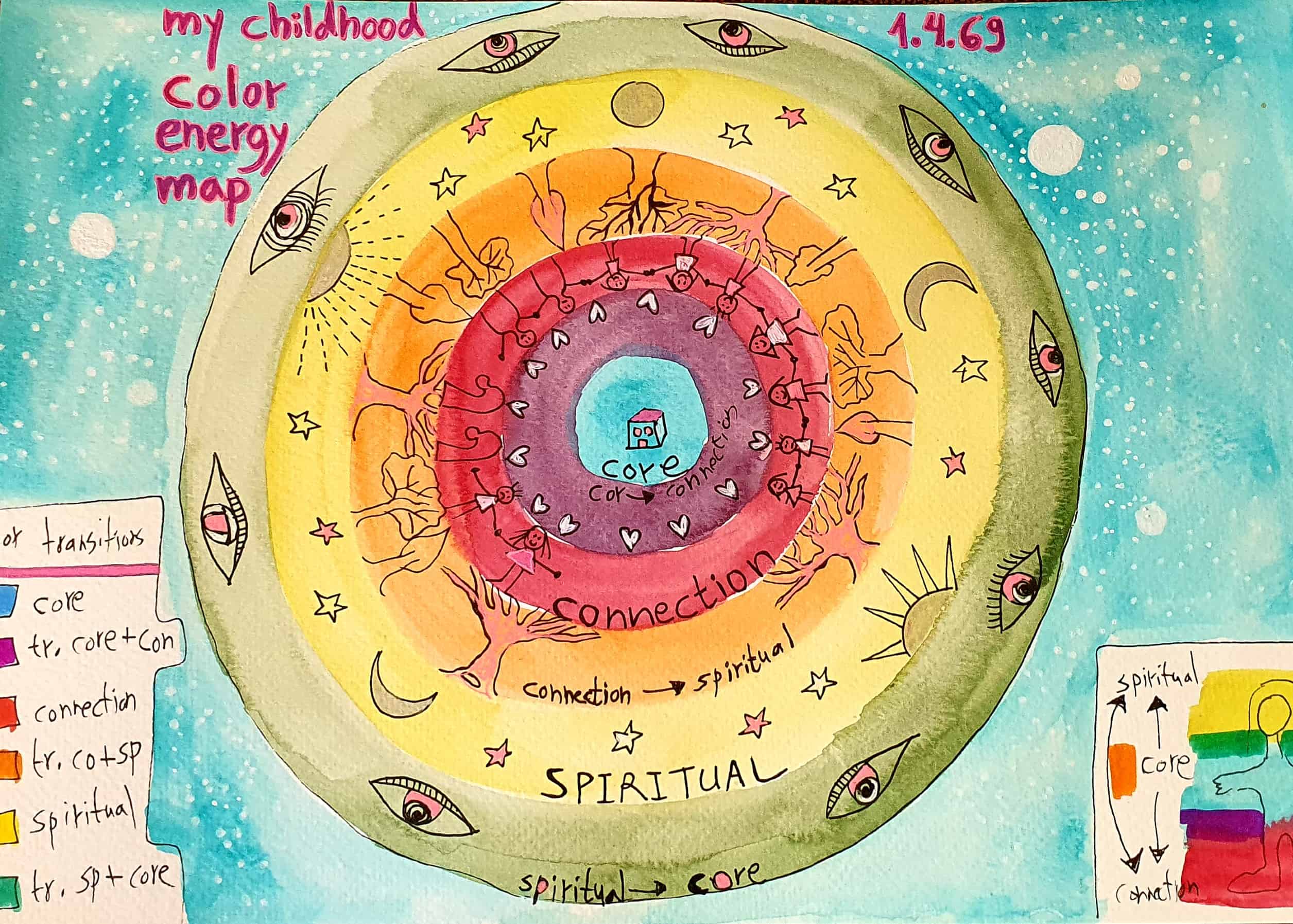
Making this map is the heart of the method. It starts with childhood, because in early childhood we are most connected to the secret of our own lives, to our purpose and our potential.
Think of one year of your childhood and ask yourself what color it was. Not the story, only the color. The answer usually arrives before you have time to think, and that is the answer you work with. The map is painted in rings of color, and you build it ring by ring, year by year, until it shows what you came in with.
Then you move through the map, which the book does in seven parts: one for each energy, one for each passage between them, and one for unity.
- Core energy. Who am I, when I am alone with myself.
- From core to connection. Attachment and separation: your first relationships, the moments you were part of someone else, and the moments you learned to be separate.
- Connection energy. Healing childhood patterns: what you learned as a child, what is yours and what is not, and where your boundaries are.
- From connection to spiritual. Finding the path: the guides you have met in your life, and what you have come here to pass on.
- Spiritual energy. Renewal, growth and dreaming: where you recharge, and what daydreaming opens in you.
- From spiritual back to core. Creativity: the place where an idea comes down to earth and becomes something you make.
- Unity. The energy of love. When you know your energies and can balance them, a sense of unity and self-acceptance arrives. This is where gold comes in, and with it black and white.
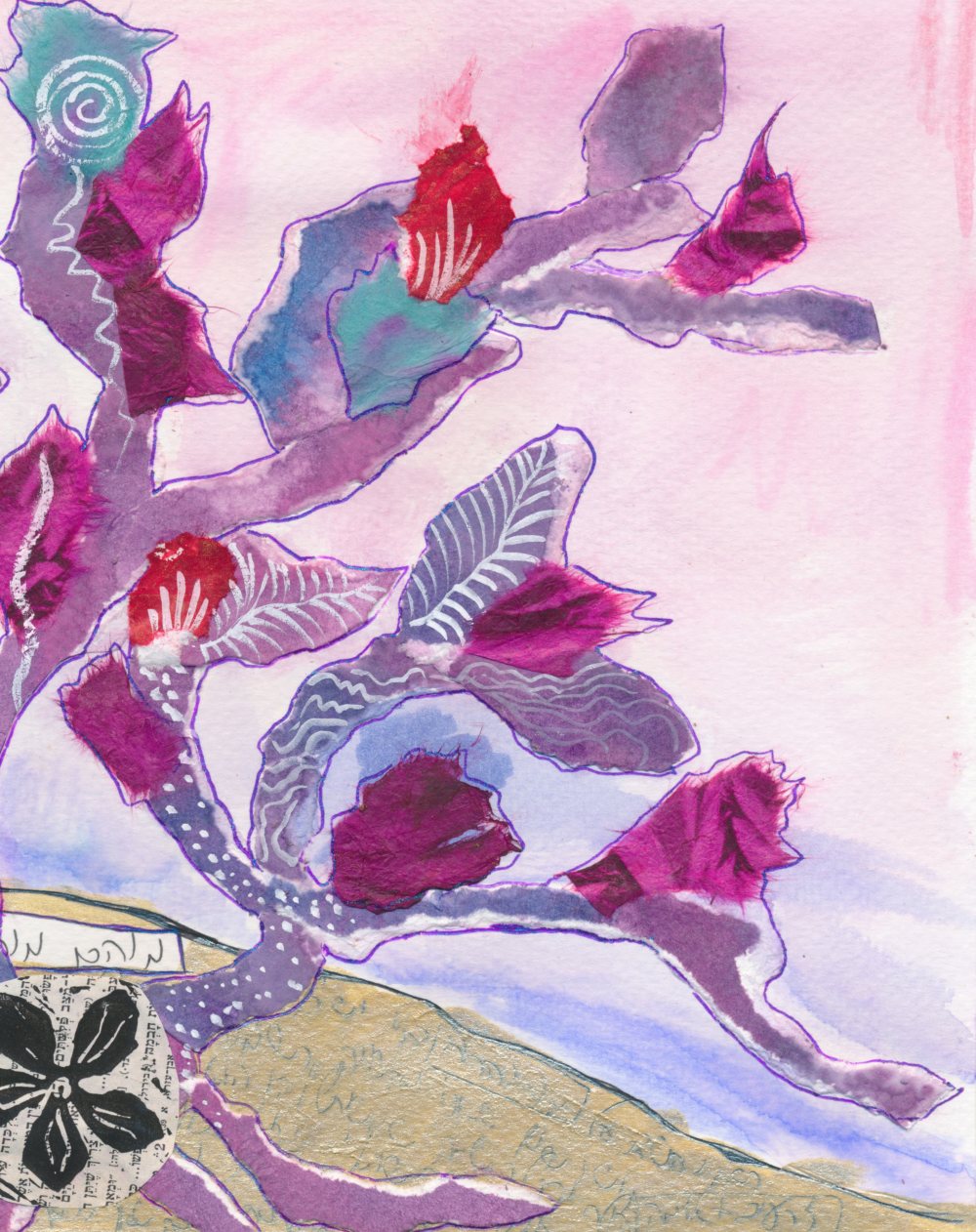
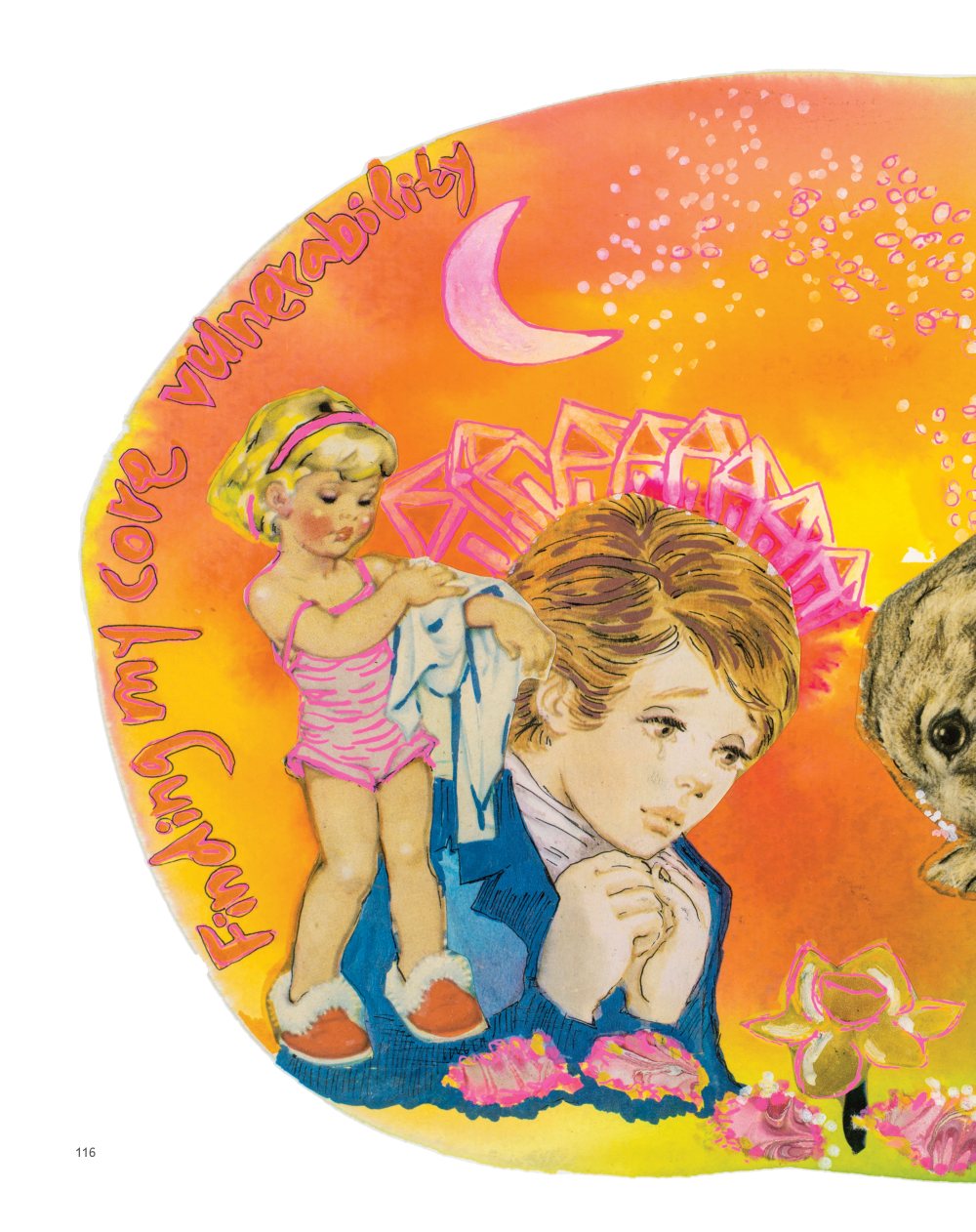
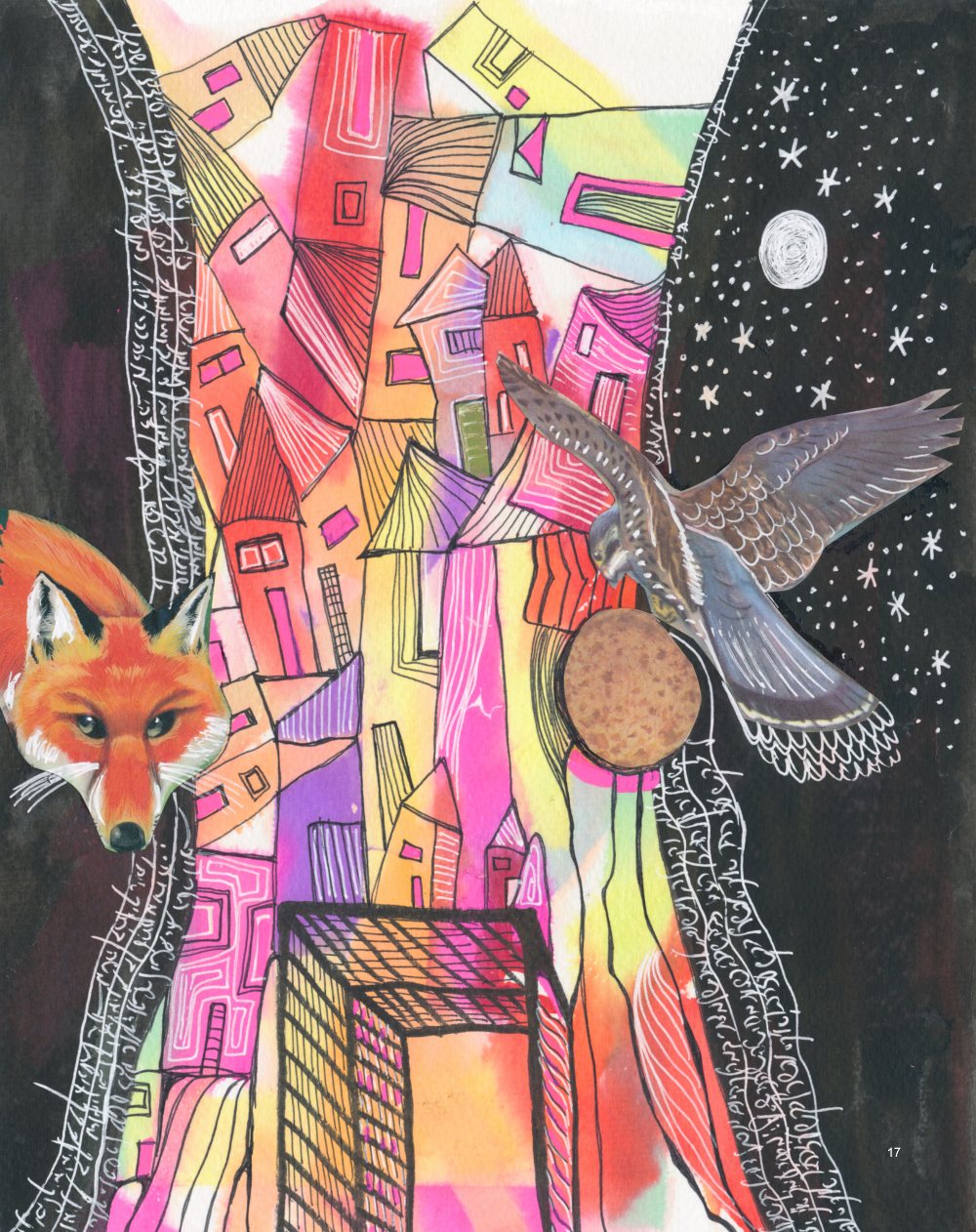
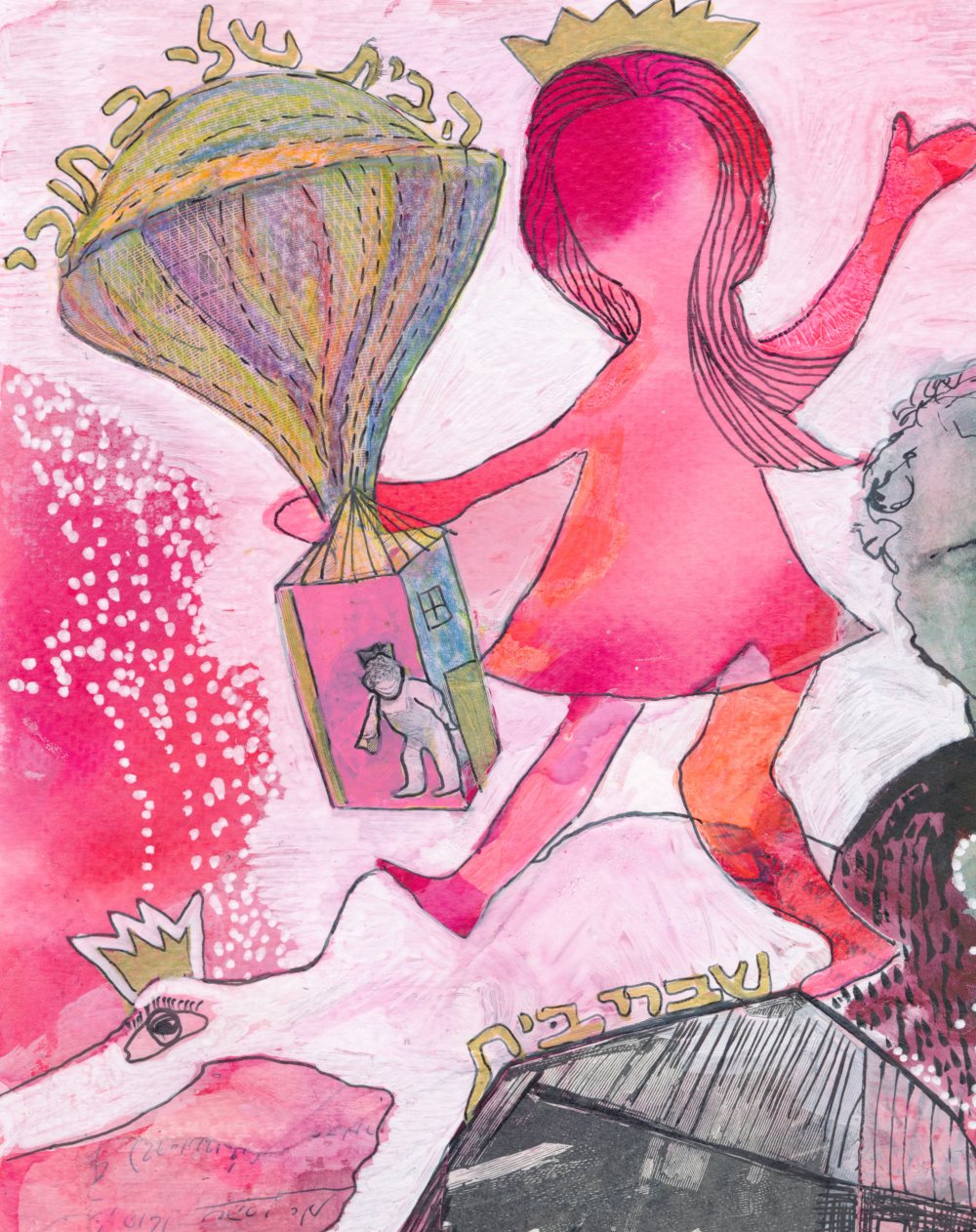
Much of the change happens in the exercises inside each part. In connection energy, for example, you write a list of what you learned as a child, sentences that begin “When I was little, I learned that…” I call it the university of childhood. I chose the sentence “My home could fall apart at any moment,” and I turned it into “My home is inside me.”
How can you start working with color archetypes in your journal?
You can begin with a single page: the three primary colors and one of the three questions. Walk through the seven elements of a SoulPages page:
- Intention. Dedicate the page to one question: “Who am I?”, “What is my purpose?” or “What makes me happy?”
- The magic of chance. Leaf through old books or magazines and pull out the images you are drawn to, before you understand why.
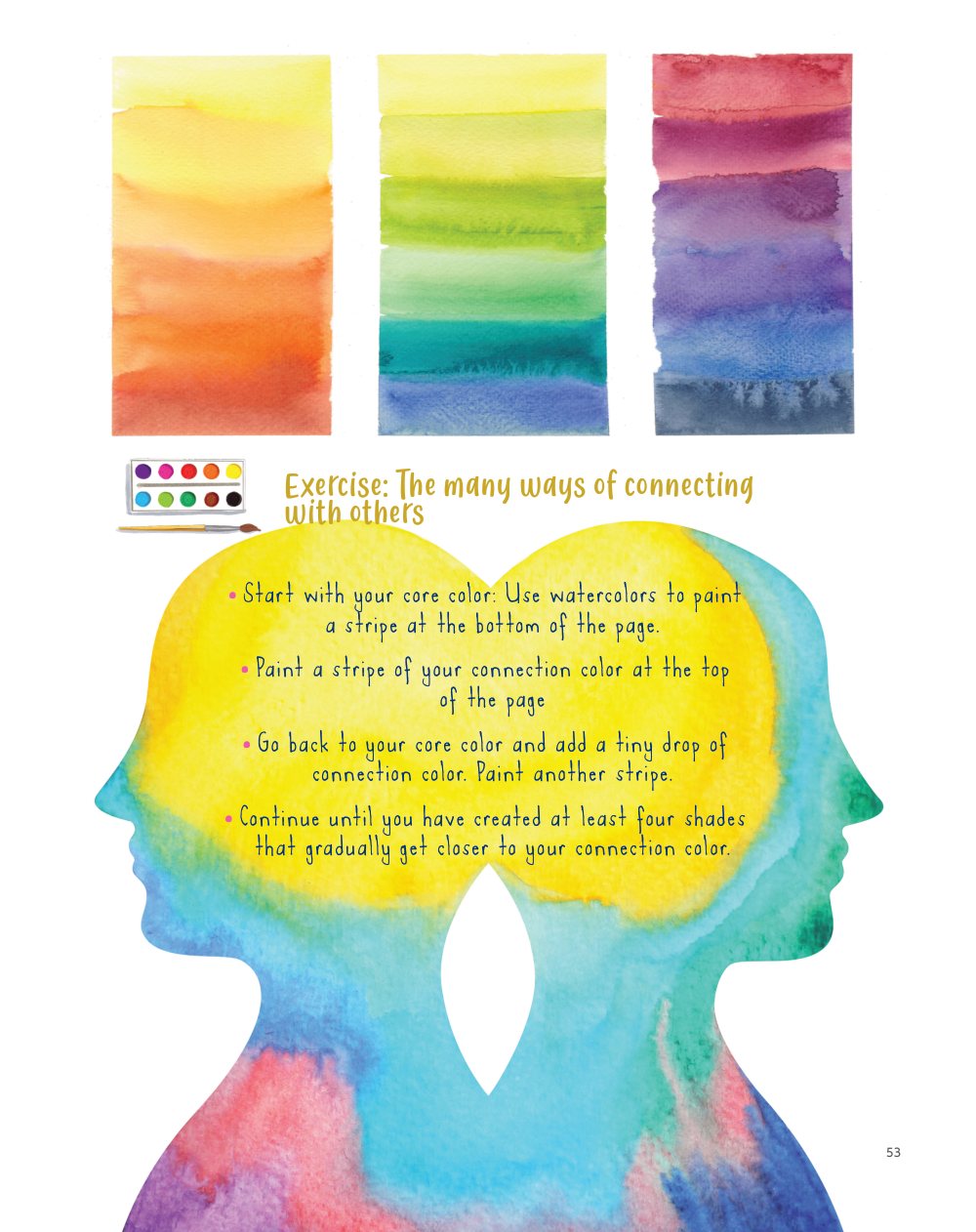
- Background. Lay red, yellow and blue on wet paper and let them meet. Notice where they make new colors and where they turn muddy.
- Images. Glue down the images you chose, or draw them.
- Color. Notice which of the three primaries your hand keeps reaching for, and give it more room around the images.
- Line. Outline one image, or draw a border between two areas of color.
- Text. Answer the question in one sentence, and add the date.
When the page is finished, look at it before you explain it. Which color takes up the most room? Which one did you almost leave out?
Is Color Archetypes a form of art therapy?
No. I am an art therapist, and the method draws on Jung, but Color Archetypes is not art therapy, and it does not replace therapy. We set the word “therapy” aside and speak of healing.
Childhood material can stir things up. In SoulPages we start with resources, the strong, good parts of you, and we go to harder material only if you bring it in yourself. If a page brings up something heavy that does not settle, close the journal and give yourself time. I wrote more about this in Is it safe to journal about trauma?
Where can you learn the whole method?
The full process is in my book, Color Archetypes: Healing Processes in the Visual Journal, 120 pages, published in 2023 in paperback and on Kindle. It was a course before it was a book, and it kept the shape of one: nine guided journeys, each with the teaching, a guided visualization written out word for word, a writing exercise, and inspiration for the page you make afterwards. You can order it on Amazon.
To start smaller, The Color Map of Childhood is a single recorded session in which you make your own map. The recorded Color Archetypes course takes you through the whole process in nine lessons.
Frequently asked questions
What is Color Archetypes?
Color Archetypes is a spiritual and artistic method for visual journaling, grown out of the SoulPages method, that uses color and archetypes to help you recognize the three energies you were born with: core, connection and spiritual.
What are the three energies in Color Archetypes?
Core energy answers the question “Who am I?” Connection energy answers “What is my purpose?” Spiritual energy answers “What makes me happy?” In your personal map, each of them gets a primary color.
Does each color have a fixed meaning in Color Archetypes?
No. The method has no one-size-fits-all color dictionary: what is personal is which primary color sits on each of your three energies, and how the colors on a page relate to each other.
What does it mean when I keep using the same color in my journal?
It means different things for different women. Look at where the color appears across a stack of pages and what sits next to it, and if you have your color map of childhood, ask which energy that color sits on for you.
What did Jung say about color?
Jung saw two layers in color: meanings shared by all of humanity, rooted in the collective unconscious, and personal meanings that each of us picks up along the way and that differ from person to person.
Is Color Archetypes a form of art therapy?
No. It was developed by an art therapist and draws on Jung, but it does not replace therapy, and it speaks of healing.
When did you last stop and ask yourself what color you are? Your favorite color is a different question. I mean the color that is in you today, this morning, after that conversation… Give yourself twenty minutes, take a page, some watercolor, a few images, and make something that reflects exactly what you feel right now. And when you want the whole map, the book is waiting for you.
If questions come up along the way, I am here.
With love,
Rakefet
Recent Comments